
Casares Pueblo Property Prices 2026: Notarial EUR/m2 in Andalucia's Most Beautiful Village
Registered sale prices for Casares Pueblo, Andalucia's most beautiful village: what apartments and villas actually sold for at the notary in June 2026.
In Casares Pueblo, the registered sale price, what buyers actually paid at the notary, averaged 1,199 EUR/m2 across all property types in June 2026, with apartments at 1,133 EUR/m2 and villas at 1,277 EUR/m2 (listyco notarial data, 2026-06, Consejo General del Notariado). New-build villa data is not available for this zone. These are real closing prices recorded at the notary, not asking prices from portals, and they position the hilltop white village as the most affordable registered zone in the Casares municipality, well below the coastal golf and marina communities that share its municipal boundary.
What did property actually sell for in Casares Pueblo in 2026?
Registered notarial sales in the zone averaged 1,199 EUR/m2 across all property types in June 2026: 1,133 EUR/m2 for apartments, 1,277 EUR/m2 for all villas, 1,277 EUR/m2 for resale villas, and n/a for new-build villas (listyco notarial data, Consejo General del Notariado). These are the prices recorded at the notary when a deed is signed, the most reliable public signal of what a home in this inland Andalusian pueblo actually changed hands for.
| Property type | Registered price (EUR/m2), Casares Pueblo, June 2026 |
|---|---|
| All property types | 1,199 |
| Apartments | 1,133 |
| All villas | 1,277 |
| Resale villas | 1,277 |
| New-build villas | n/a |
Source: listyco notarial data, 2026-06 (Consejo General del Notariado). The new-build villa figure is n/a because too few registered new-build villa transactions fell in the zone this month to report a reliable figure, a pattern shared with most inland pueblo zones on the Costa del Sol. The identical all-villa and resale-villa figures mean every villa transaction in this period was a resale, with no new-build villa completions recorded separately. The modest gap between the apartment figure and the villa figure is itself a signal of the zone’s character: in a mountain village where the stock is a blend of townhouses, small flats and older country properties, the two segments trade in overlapping per-square-metre ranges rather than showing the sharp villa premium that defines beachfront zones.
What is Casares and who buys property there?
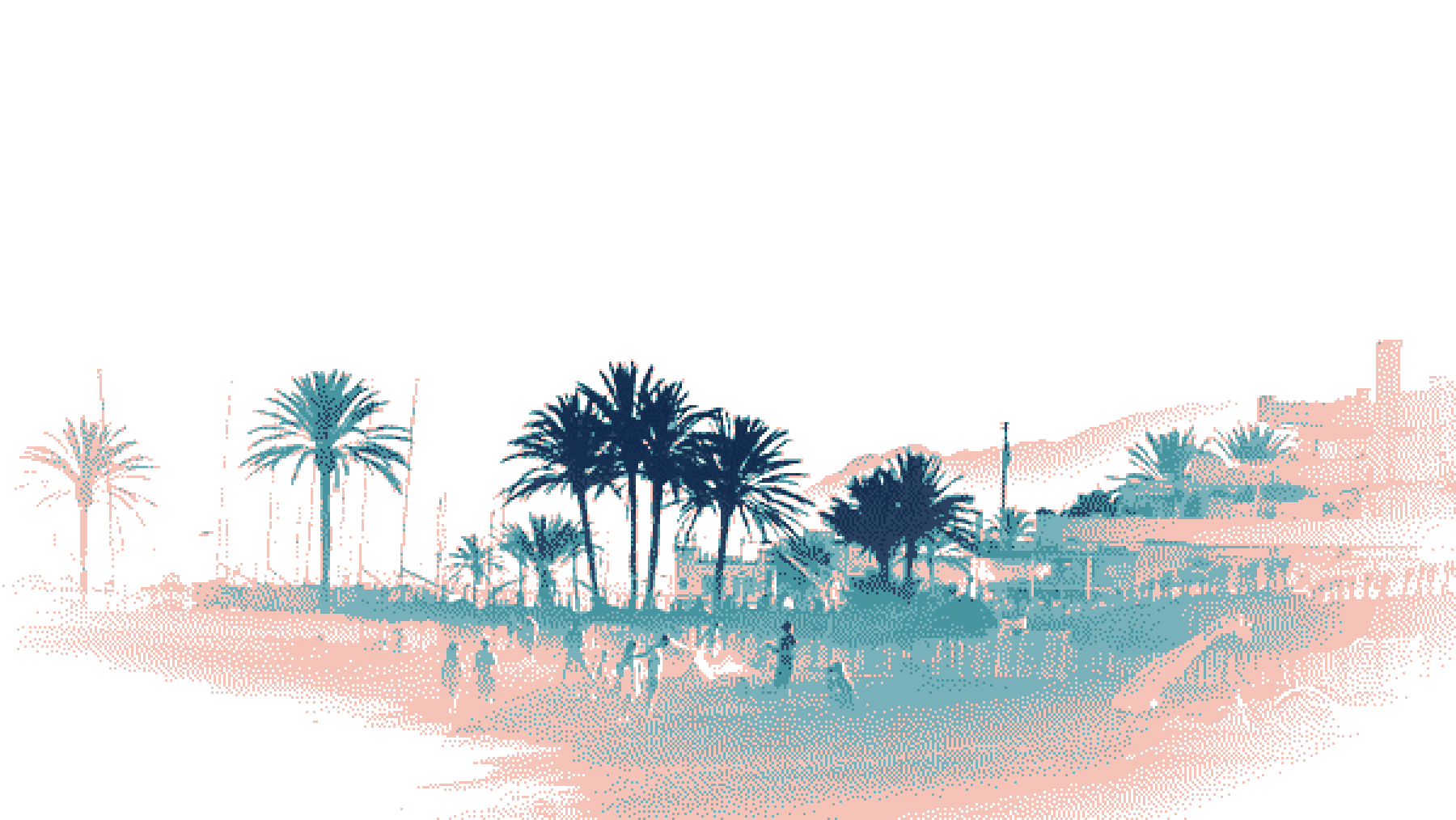
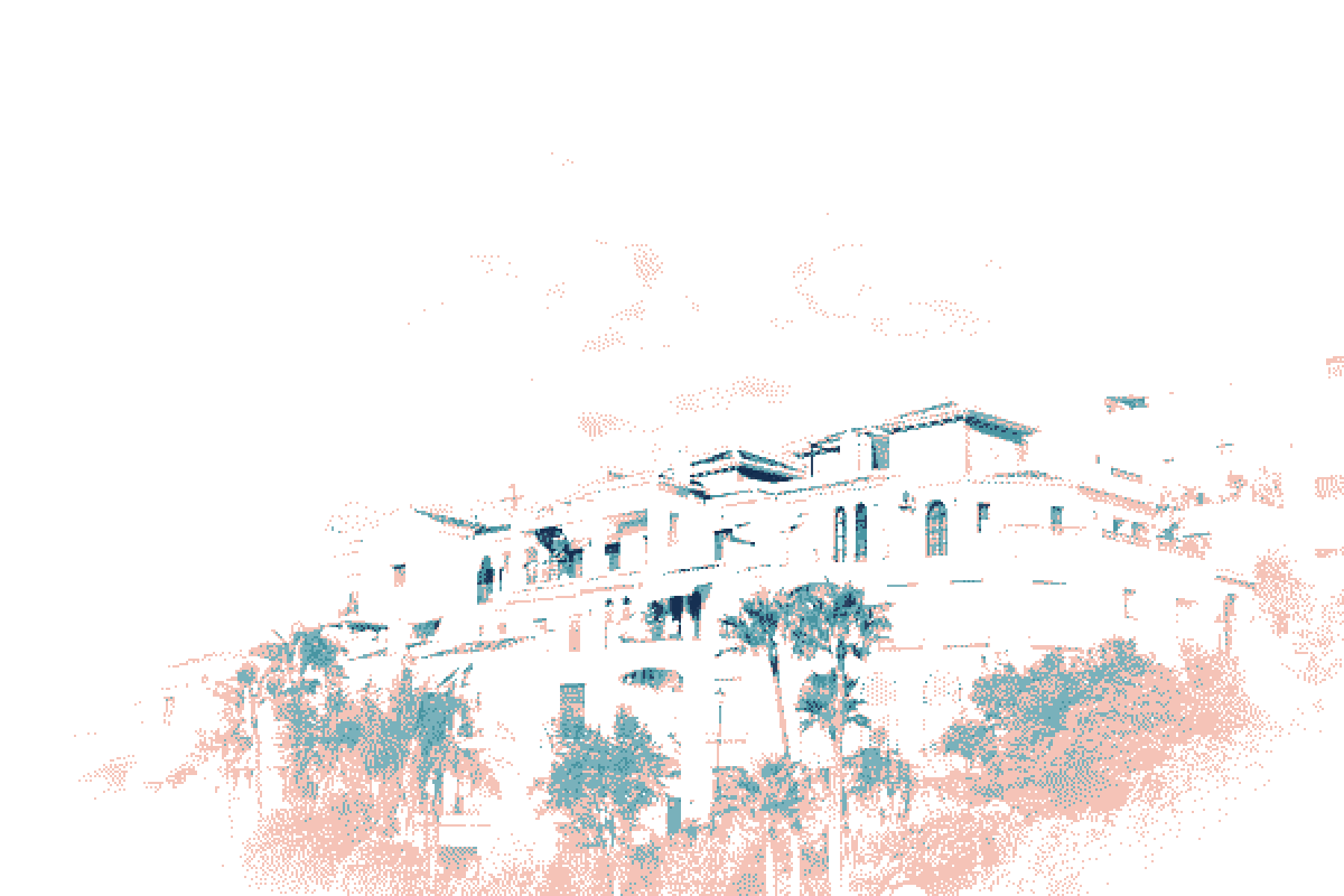
Casares is not a typical Costa del Sol resort town. It is a fortified Moorish village perched on a rocky spur at 435 metres above sea level, the last southern ridge of the Serrania de Ronda, with whitewashed houses cascading down a slope so steep that the average gradient is 23 per cent (Ayuntamiento de Casares). The streets are narrow cobbled lanes in true Moorish style: Calle Arrabal tests the fittest walker on the climb to the castle ruins, Calle Villa was the only entrance when the village was walled, and the Callejon del Rey is named for a Moorish king who met his death there at the hands of his subjects. The municipality covers 162.24 square kilometres, making it one of the larger municipalities on the western Costa del Sol by area, though the village population itself is small within a municipality of 9,009 residents (INE, 2025 padron).
The village’s cultural weight far exceeds its size. Casares is the birthplace of Blas Infante, born at number 51 Calle Carrera on 5 July 1885, the lawyer, historian and politician regarded as the father of Andalusian nationalism (Ayuntamiento de Casares). His birthplace is preserved as a museum and the village’s tourist office. The Romans minted coins here and built the Banos de la Hedionda, sulphurous baths that tradition links to Julius Caesar, who was said to have been cured of a skin disease in the waters (Diputacion de Malaga). The Iberian-Roman fortress of Lacipo and a Roman aqueduct survive in the surrounding landscape. In 1361, the Pacto de Casares was signed here between Pedro el Cruel and the dethroned Mohamed V of Granada. The village resisted Napoleon’s troops, one of the few in the area they could not capture. In 1978, the whole village was declared a Conjunto Historico-Artistico, and in December 2024, Casares was voted the most beautiful village in Andalusia through a public poll on the Noradoa Espana Turismo app, receiving 4,922 votes against 3,711 for Olvera in Cadiz.
The buyer profile is specific to this combination of heritage and isolation. Local Spanish families have lived in the village for generations. International lifestyle buyers, particularly British and northern European retirees, are drawn by the cultural cachet, the mountain views and the walkable historic centre. Investors seeking an affordable western Costa del Sol entry point form a third group. What unites them is a deliberate choice: the beach, the marina at Marina de Casares and the golf courses of Casares Golf and Dona Julia are a 14-kilometre drive down the mountain, not a stroll. Buyers who want beachfront do not buy in Casares Pueblo. For the premium Marbella market at the opposite end of the price spectrum, the Nueva Andalucia property prices guide covers the golf valley that sits multiple times higher on the same notarial measure.
Why does Casares Pueblo register the lowest prices in its municipality?
The registered average of 1,199 EUR/m2 is the product of a specific geography and a specific history, not a sign of decline.
Elevation and isolation. At 435 metres, Casares is one of the highest village settings on the Costa del Sol. The village is 14 kilometres from the sea, reached by a winding mountain road. The coastal zones of the same municipality, Marina de Casares, Bahia de Casares and the Casares Golf resorts, sit at sea level with direct beach access, golf facilities and sea views. The price gap between the pueblo and the coast is the price of that 14-kilometre, 435-metre separation. A buyer choosing Casares Pueblo is choosing mountain tranquillity, castle views and heritage over waterfront immediacy, and the registered figure reflects that trade-off directly (listyco notarial data, 2026-06, Consejo General del Notariado).
Protected landscape and build constraints. The municipality sits within the Sierra Crestellina and the Sierra Bermeja, two mountain ranges protected for their flora and fauna, and the Natural Park of the Bermeja Mountain Range, a volcanic massif of geological rarity (Ayuntamiento de Casares). The Macizo de Utrera grottoes add further natural protection. The Conjunto Historico-Artistico designation, in place since 1978, restricts alteration and demolition within the historic fabric (Diputacion de Malaga). Together, these protections mean that the supply of housing in the pueblo is fixed: there is no land to release for new estates, no historic buildings to demolish for apartment blocks. The 2024 most-beautiful-village award reinforced the cultural brand without unlocking any new supply, which keeps the pueblo’s character intact but also means the housing stock turns over slowly.
An agricultural village, not a resort. Casares grew around vineyards, avocado, citrus and livestock, not around tourism (Diputacion de Malaga). The built environment reflects that origin: village townhouses, small flats and older fincas, not purpose-built holiday apartments or gated villa estates. The stock is overwhelmingly resale. The n/a for new-build villas confirms that standalone new villa completions are too few to report, which is typical of a village where the historic layout and the surrounding park land make new construction rare. The narrow apt-villa spread is the signature of this stock mix: village houses and hillside fincas trade in overlapping per-square-metre ranges, not in the separate tiers that define a beachfront market.
The western edge. Casares sits 105 kilometres from Malaga city and 47 kilometres from Gibraltar, at the junction of the Costa del Sol and the Campo de Gibraltar (Ayuntamiento de Casares). The village is 12 kilometres from Manilva, 22 kilometres from Estepona and 50 kilometres from Marbella. This western position has historically meant less development pressure than the central Marbella to Estepona corridor. The lower registered prices reflect this, but they also mean the pueblo offers one of the most affordable registered entry points on the entire Costa del Sol for buyers who are willing to live inland. For the rental yield perspective on the wider market, the Marbella rental yields guide covers the buy-to-let returns that coastal zones generate.
How does Casares Pueblo sit against its neighbours?
Within the Casares municipality, the pueblo occupies the lowest price tier. Its registered all-type average of 1,199 EUR/m2 sits well below the coastal golf and marina communities that share the Casares municipal boundary on the same notarial measure (listyco notarial data, 2026-06, Consejo General del Notariado). The price step reflects the fundamental trade-off: beachfront, golf and marina living command a premium, while the hilltop village offers character and heritage at a lower entry point. The Marina de Casares property prices guide covers the coastal zone that sits at the top of the municipality’s price range.
The nearest comparable inland pueblo is Manilva Pueblo, 12 kilometres to the south. Manilva was part of Casares until 1795, when it was granted its own municipal charter (Diputacion de Malaga). The two villages share a border, a history and an agricultural heritage, but Manilva Pueblo sits at 128 metres above sea level, less than a third of Casares’s elevation, and only two to three kilometres from the coast. Manilva’s easier coastal access and larger population of 18,165 residents (INE, 2025) produce a higher registered average. Buyers weighing the two are choosing between Casares’s dramatic mountain position, castle ruins and Blas Infante heritage, and Manilva’s vineyard landscape and shorter drive to the beach.
To the east, the Estepona municipality offers a range of zone profiles at higher registered levels. The Estepona New Golden Mile area guide covers the beachfront corridor that runs west from Estepona town, a market that sits well above Casares Pueblo on price. To the north, the Serrania de Ronda villages of Genalguacil and Gaucin represent an even more remote inland market, further from the coast and outside the notarial dataset’s covered zones.
What is the gap between registered and asking prices?
The notarial average of 1,199 EUR/m2 is a registered closing price, not an asking price. Asking prices in Casares Pueblo typically start above EUR 100,000 for a village apartment or townhouse and reach above EUR 350,000 for a detached villa with land and mountain or sea views. These are list prices set by sellers and their agents. Registered notarial prices are what actually closed at the notary after negotiation, across the full transaction mix including older properties, smaller units and transfers that would never appear in a prime listing feed. The gap between the two reflects negotiation outcomes, the variety of properties that transact and the time lag between listing and completion.
For the national market trajectory, Tinsa’s IMIE Local Markets index reported 15.2 per cent year-on-year growth in the second quarter of 2026, the highest rate since the third quarter of 2006 (Tinsa, IMIE Mercados Locales Q2 2026, published 30 June 2026). The INE Housing Price Index stood at 12.9 per cent year-on-year in the first quarter of 2026 (INE, IPV Q1 2026). These national figures frame the broader Spanish market context in which Casares Pueblo’s local figures sit. A buyer should treat the notarial figure as the evidence of what closed and asking prices as the negotiation starting point. For the full acquisition-cost breakdown, including the 7 per cent Andalusian ITP on resales, see the cost of buying guide.
What should a buyer take from the Casares Pueblo data?
The registered figures confirm Casares Pueblo as the most affordable zone in the Casares municipality and one of the lowest entry points on the western Costa del Sol. The all-type average of 1,199 EUR/m2 is a blended figure that combines village townhouses, small apartments and older detached properties. An apartment buyer should anchor on the 1,133 EUR/m2 figure, and a villa buyer on the 1,277 EUR/m2 figure. The identical all-villa and resale-villa figures confirm that the villa segment is entirely resale: this is an established village market, not a development zone, and new construction within the village is constrained by the historic layout, the Conjunto Historico-Artistico protections and the mountain and park land that surrounds it.
The Casares municipality continues to grow. The official padron figure of 9,009 residents (INE, 2025) reflects sustained population growth, with the coastal urbanisations and golf resorts absorbing most of the new arrivals. This demographic trend underpins housing demand across all price tiers in the municipality, from the beachfront communities to the hilltop pueblo. The 2024 most-beautiful-village award and the Blas Infante birthplace museum add a cultural dimension that few Costa del Sol zones can match, and that cultural cachet is likely to support the pueblo’s appeal as the western Costa del Sol matures. For buyers seeking authentic village life, mountain views and Andalusian heritage at the most affordable registered price point in the municipality, Casares Pueblo offers a proposition that the coastal zones cannot replicate.
Frequently asked questions
- What is the average price per m2 in Casares Pueblo in 2026?
- Registered notarial sales averaged 1,199 EUR/m2 across all property types in June 2026, with apartments at 1,133 EUR/m2 and villas at 1,277 EUR/m2 (listyco notarial data, Consejo General del Notariado). These are closing prices recorded at the notary, not asking prices from portals. New-build villa data is not available for this zone.
- Why are prices in Casares Pueblo lower than the coast?
- Casares Pueblo sits at 435 metres above sea level, approximately 14 kilometres inland from the Mediterranean. The coastal communities within the same municipality, such as Marina de Casares and the golf resorts, command higher registered prices because they offer direct beach access, golf facilities and sea views. The pueblo appeals to buyers who value village character and heritage over coastline proximity.
- Is Casares Pueblo a good place to buy property?
- The registered 1,199 EUR/m2 figure makes Casares Pueblo one of the most affordable entry points on the western Costa del Sol. Buyers get a village named Andalucia's most beautiful in 2024, with Moorish castle ruins, cobbled streets and natural park surroundings, at a fraction of coastal prices. The trade-off is that the beach and golf courses are a drive, not a walk.
- What is Casares Pueblo famous for?
- Casares is famous as the birthplace of Blas Infante, born on 5 July 1885 and considered the father of Andalusian nationalism. The village was declared a Conjunto Historico-Artistico in 1978 and was voted the most beautiful village in Andalusia in 2024 through a public poll on the Noradoa Espana Turismo app, receiving 4,922 votes.
- How far is Casares Pueblo from the coast and major towns?
- Casares Pueblo sits 14 kilometres inland from the coast. The urban centre is 12 kilometres from Manilva, 22 kilometres from Estepona, 50 kilometres from Marbella and 105 kilometres from Malaga city (Ayuntamiento de Casares). Gibraltar is 47 kilometres away, placing the village at the junction of the Costa del Sol and the Campo de Gibraltar.
Sources and data
- Centro de Informacion Estadistica del Notariado (notarial transaction statistics) — Consejo General del Notariado
- IMIE Mercados Locales 2 trimestre 2026: +15,2% — Tinsa
- Indice de Precios de Vivienda (IPV), Primer trimestre 2026 — INE
- Padron Municipal de Habitantes (population statistics) — INE
- Municipality of Casares (geographical data) — Ayuntamiento de Casares
- History of Casares — Diputacion de Malaga
- Birthplace of Blas Infante — Ayuntamiento de Casares