Buying Property in Spain as an American in 2026: Tax, Visa and Process
US citizens buying property in Spain in 2026 must navigate FATCA reporting, Spanish non-resident taxes (Modelo 210), and the mandatory NIE process.
Buying Property in Spain as an American in 2026: Tax, Visa and Process
US citizens can purchase real estate in Spain with the same legal rights as Spanish nationals. There are no ownership restrictions or special permits required for Americans to buy property. However, while the purchase itself is straightforward, the financial and administrative overlap between the US and Spanish tax systems- specifically FATCA and non-resident income tax-creates a unique set of compliance requirements for American buyers.
Do US citizens have any restrictions on buying property in Spain?
No. There are no citizenship-based limitations on owning real estate in Spain. Whether you are buying a penthouse in Marbella or a rural finca in Andalusia, you have the same rights to ownership, transfer, and inheritance as a Spanish citizen.
The primary prerequisite is the NIE (Número de Identificación del Extranjero). You cannot sign the escritura (public deed) at the notary or open a Spanish bank account without this identification number. For US citizens, this is typically obtained via the Spanish Consulate in the US or at a police station in Spain.
How does FATCA impact US citizens buying in Spain?
The Foreign Account Tax Compliance Act (FATCA) is the most significant administrative hurdle for American buyers. Under a bilateral agreement between the US and Spain, Spanish financial institutions are required to identify US account holders and report their financial information directly to the IRS.
If you open a Spanish bank account to facilitate your property purchase and pay taxes, that account will be flagged. Furthermore, US taxpayers holding foreign financial assets with an aggregate value exceeding $50,000 must la report these on IRS Form 8938 (Statement of Specified Foreign Financial Assets). While the property itself is not a “financial account,” the funds used to buy it and any rental income deposited into a Spanish account fall under this reporting umbrella.
What are the Spanish tax obligations for non-resident US owners?
Once you own property in Spain, you enter the Spanish tax net as a non-resident. This involves two primary obligations:
- Rental Income Tax: If you rent out your property, you must pay tax on the net profit.
- Imputed Income Tax (Deemed Income): Spain taxes non-residents on the theoretical rental value of a property kept empty for personal use. Even if you never rent the home and only use it for two weeks a year, you must file Modelo 210 to pay tax on this deemed income.
For non-EU residents (including Americans), the tax rate on this income is a flat 24%.
US vs Spanish Tax: Avoiding Double Taxation
Because the US taxes its citizens on worldwide income, you will technically owe tax on my Spanish rental income to both the Spanish Agencia Tributaria and the IRS. However, you do not pay twice. Under the US-Spain tax treaty, you generally pay the Spanish tax first and then claim a Foreign Tax Credit on your US return to offset the amount paid to Spain.
Checklist: US-Specific Documents for a Spanish Notary
To ensure a smooth closing, US buyers should prepare a specific set of documents. Unlike EU buyers, US citizens often face more scrutiny regarding the origin of funds due to AML (Anti-Money Laundering) and FATCA rules.
| Document | Purpose | Source |
|---|---|---|
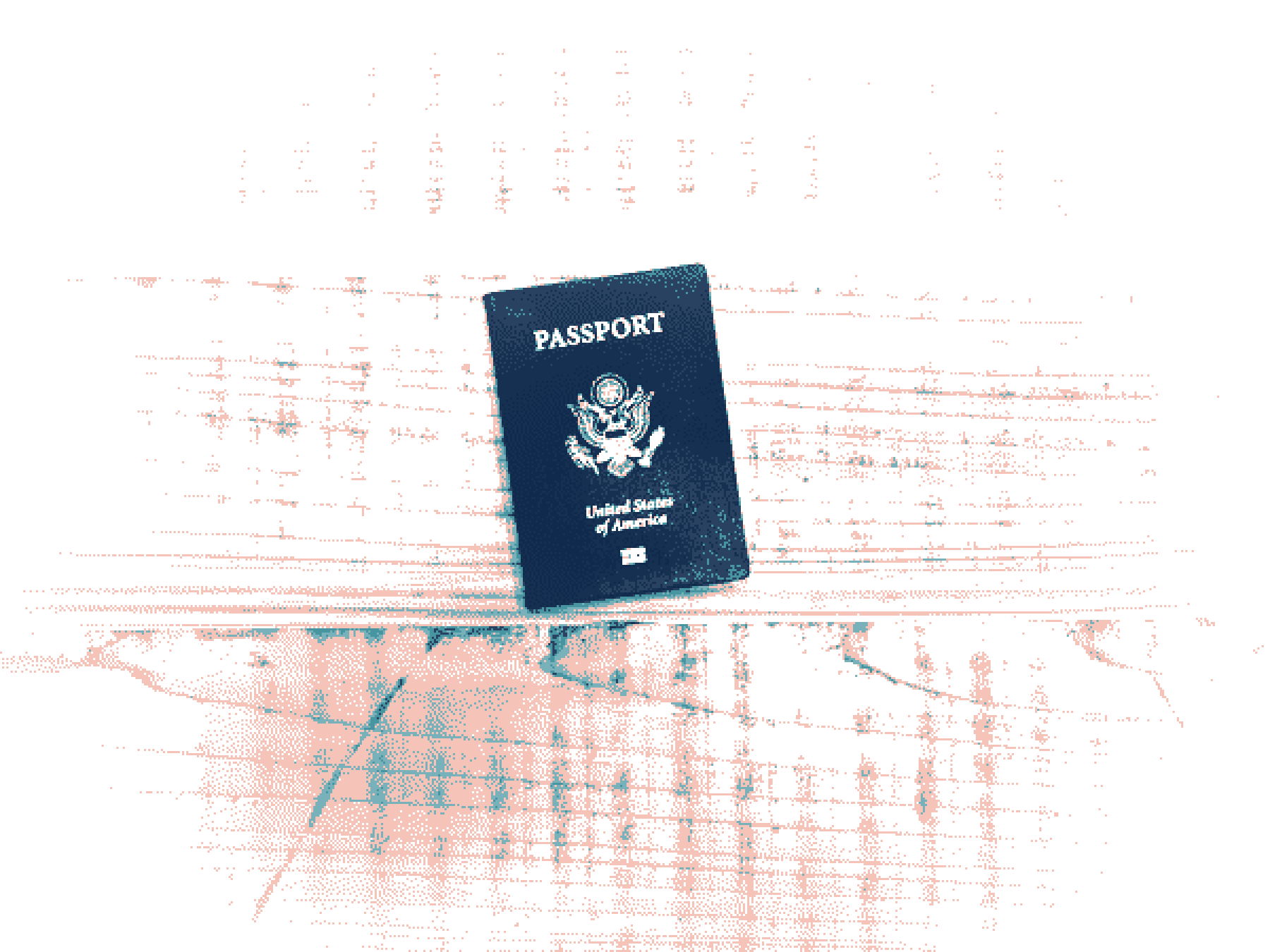
| Valid US Passport | Primary identification for NIE and Deed | US State Department |
| NIE Certificate | Mandatory ID for all legal/tax acts | Spanish Consulate/Police |
| Proof of Funds | Bank statements showing source of wealth | US Bank / Brokerage |
| Apostilled Documents | Legalization of any US-issued certificates | Secretary of State |
| Spanish Bank Account | For payment of taxes and utility bills | Spanish Bank |
What is the total cost of purchase for a US buyer?
When budgeting for a Spanish home, the purchase price is only the starting point. You should budget an additional 10% to 15% untuk cover closing costs. la.
For resale properties, the primary cost is the ITP (Impuesto sobre Transmisiones Patrimoniales), which in Andalusia is generally around 7%. For new-builds, you will pay VAT (IVA) at 10%. Other costs include notary fees, registry fees, and legal representation.
For a detailed breakdown of these costs, see our guide to property transfer tax in Andalusia. US buyers should also ensure their lawyer is experienced in dealing with the specific reporting requirements of the IRS to avoid costly compliance errors.
This guide is for informational purposes and does not constitute legal or tax advice. Tax laws for US citizens are complex due to the interaction of FATCA and Spanish non-resident rules. Always consult a qualified CPA and a Spanish abogado before proceeding with a purchase.
Frequently asked questions
- Do US citizens need a special permit to buy property in Spain?
- No. There are no citizenship restrictions on owning real estate in Spain. However, you must obtain a NIE (Foreigner Identification Number) to sign the public deed and pay taxes.
- What is FATCA and how does it affect my Spanish property purchase?
- The Foreign Account Tax Compliance Act (FATCA) requires US citizens to report foreign financial assets. Because of the US-Spain agreement, Spanish banks report US account holders directly to the IRS. You may need to file Form 8938 if your foreign assets exceed $50,000.
- Will I be taxed twice on my rental income from a Spanish property?
- While you owe tax in both countries, you generally avoid double taxation. You pay Spanish tax first (via Modelo 210), then claim a Foreign Tax Credit on your US tax return for the amount paid to Spain.
Sources and data
- Summary of FATCA reporting for U.S taxpayers — IRS.gov
- NIE Number Spain 2026: Complete Guide for Foreign Buyers — Costa Luz Lawyers
- Agreement Between the United States of America and the Kingdom of Spain — US Department of the Treasury